
You Keep Saying “Everything Happens for a Reason.”
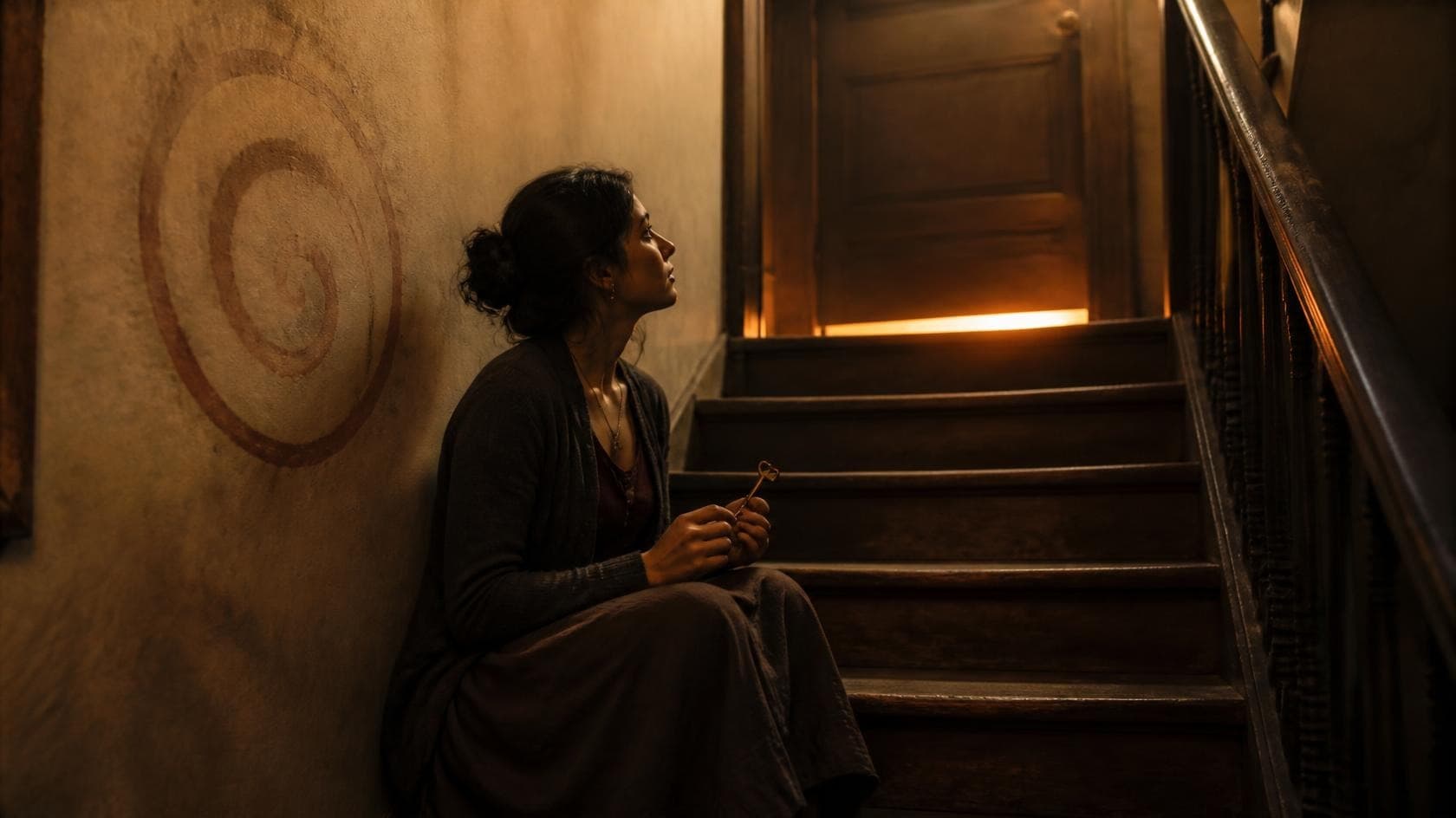
The short answer: “Everything happens for a reason” can be comforting, especially after a loss or disappointment. But sometimes it becomes a way to stop thinking about what happened. Asking “What could the reason be?” or “What can I learn from this?” can turn a passive phrase into an active question, one that helps you grow, make choices, and find meaning.
Why do people say “everything happens for a reason”?
It can help people:
- Feel less powerless.
- Find comfort after something painful.
- Believe the future can still be positive.
- Accept situations they can’t change.
There’s nothing wrong with finding comfort in it.
When can it become unhelpful?
The phrase can sometimes:
- Stop you from reflecting on what happened.
- Make you accept situations you could change.
- Prevent you from feeling grief or anger.
- Make painful experiences feel like they were “supposed” to happen.
If you use it to close a conversation with yourself, you may miss something important.
What happens if I ask what the reason is?
You shift from waiting for meaning to looking for it. Instead of assuming the reason will reveal itself someday, you start asking:
- What did this teach me?
- What did this show me about what I want?
- What did I learn about my boundaries?
- What will I do differently next time?
- What became possible because this ended?
These questions don’t erase pain, but they can help you move forward.
Does every event have a meaning?
That depends on your beliefs. Some people believe everything has a spiritual purpose. Others believe some things are random, but people can still find meaning in them. Both views can help you reflect and grow.
The important part is that you’re allowed to choose how you understand your experiences.
What if I can’t find a reason?
That’s okay. Some experiences are painful without a clear lesson. You don’t need to force meaning onto everything. Sometimes acceptance is enough.
How can I use this question after a breakup?
Instead of saying, “It happened for a reason,” try asking:
- What did this relationship teach me about my needs?
- What patterns do I want to avoid?
- What strengths did I discover in myself?
- What kind of love do I want next?
How can I use it after a missed opportunity?
Try asking:
- What did I learn from this?
- What do I want more clearly now?
- Is there another way to pursue it?
- Has this opened space for something else?
What does tarot often show here?
When people explore meaning and purpose, these cards often appear:
- The Wheel of Fortune: cycles, change, and turning points.
- Judgement: reflection and understanding the past.
- The Star: hope and healing after difficulty.
- The Hermit: searching for deeper meaning.
These cards often encourage reflection rather than passive acceptance.
Can a reading help me find the reason?
A reading can help you reflect on what an experience might mean for you and what you can take from it. It can’t promise a single explanation, but it can help you see the situation from a different angle.
A simple exercise
Write down one event you’ve described as “happening for a reason.” Then answer:
- What did I lose?
- What did I learn?
- What do I know now that I didn’t before?
- What choice can I make because of it?
You may discover that the reason isn’t something hidden. It’s something you can create through how you respond.
If you keep telling yourself everything happens for a reason and want to explore what yours might be, you can start a live chat on Psychic Vision, or write out your question and receive a recorded video reading.
Related questions
- What if the sign you’ve been waiting for already came?
- Why you feel homesick for a life you’ve never lived.
Ready for your own reading?
Connect with a live psychic advisor and get answers to the questions that brought you here.
Meet Our Advisors